
Redundancy is hard, no matter how much of a blessing it can turn out to be further down the road. By all means it might prove to be that magnificent plot twist that launches you toward your long-postponed “One day I’ll finally do this” dream. But in the moment? Redundancy feels like someone else’s professional choice for you, like another force had pressed the breaks on your career while you were still adjusting your seatbelt. Even if you were contemplating a change in role, industry, or early retirement having the decision made for you places it firmly into the “not my choice” category.
I have been been made redundant twice in my professional life (and dodged the bullet three times), and in both cases, barely had the word “redundancy” settled in the air before its enthusiastic cousin—NETWORKING—catapulted into the conversation. Colleagues, friends, LinkedIn articles, webinars, HR, consultants, and even the manager who just delivered the news all said the same thing:
“Start networking.”
“Connect with everyone.”
“Go to events.”
“Put yourself out there.”
You may have heard this too, which many vow to be the golden ticket to bounce back after redundancy and honestly I don’t have any evidence to refute this advice.
But when you navigate the world as an introvert, you already know the real question isn’t whether networking is valuable. It’s: How on earth do I actually do it without dissolving into a puddle of awkwardness?
For introverts the sheer thought of walking across a room and generate a conversation out of thin air is similar to contemplating social death. And no, the cold call or “cold” message on Linkedin are no different, unless hugging a cactus it is your comfort zone. Even shared hobbies don’t magically erase the sweaty palms or the “please let this end quickly” heartbeat.
So how do introverts network in a world where networking is supposedly the key to professional escape, reinvention, and upward flight, where creating the connection can make the difference between being pigeonholed or getting the wings to take off.
The short answer? There is no short answer.
But I can tell you what has worked for me—time and time again, thorough career change, relocation and …redundancy: a wingman and listening.
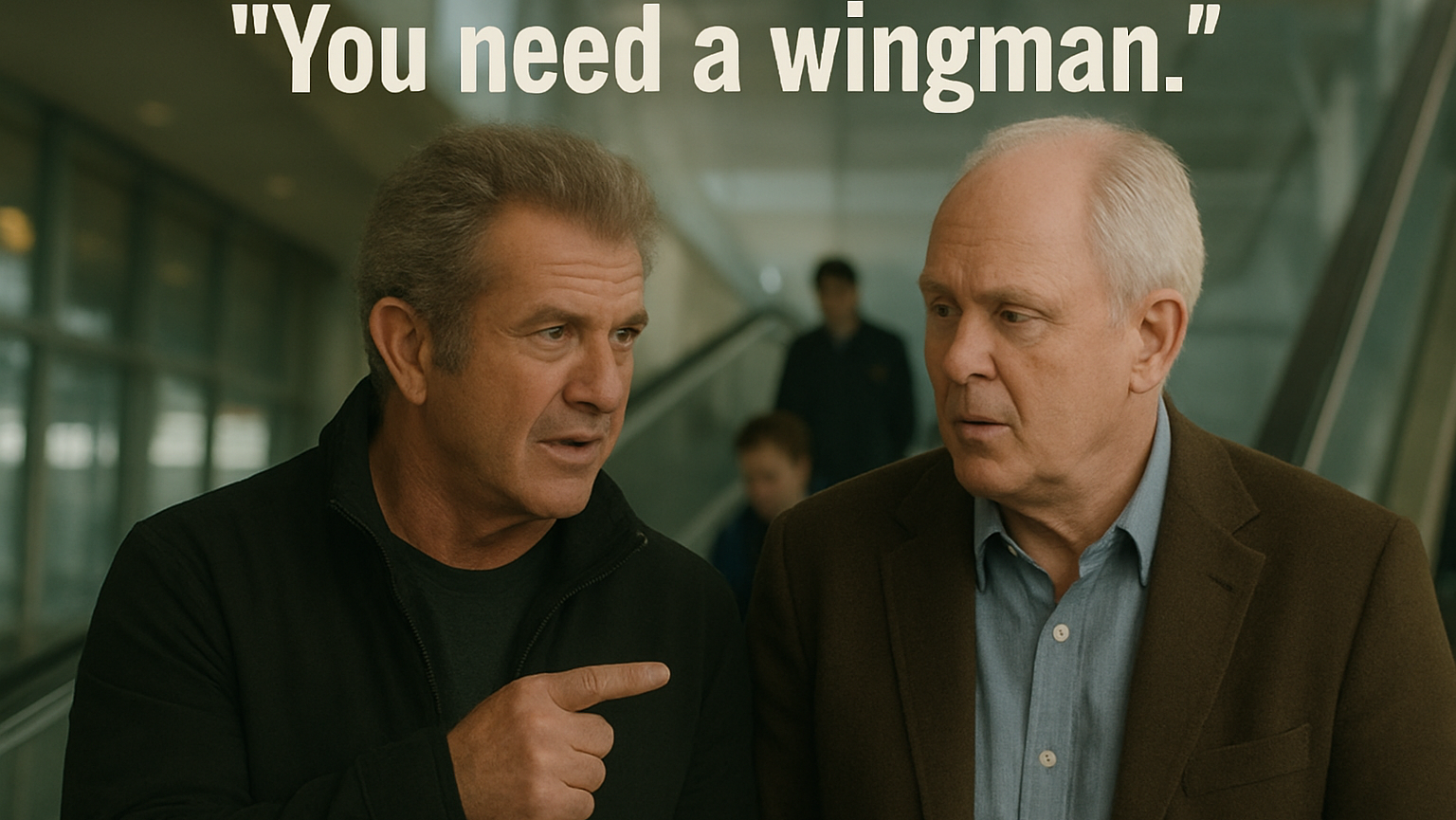
- Having a Wingman (My extrovert support unit)
Yes. Like Top Gun. Someone that can help keep my confidence level afloat instead of nosediving
A wingman—preferably an extroverted one—can do what introverts dread most: Open the conversation.
Extroverts glide into the social conversation with the same ease they breath. They chit-chat, connect dots, tell stories, and crack jokes – giving me time to breath, settle my nerves, observe, listen and actually process the whole environment not just surviving it. Extroverts get energized via these connections given me time to recharge by not talking just yet. I listen, read people’s body language, form thoughtful questions, and then slide into the discussion when I am ready—not when social convention requires it. I always found it easy to take it over from this point on. It’s like a relay race: your extrovert friend runs the first lap, hands you the baton, and just like magic you actually can carry the conversation across the finish line.
After the initial introduction it feels natural to run into my new connection later and say something genuine like “how did your kids’ football game went last Saturday” without sounding artificial. People love when you remember something human about them. Not their job title. Not their last PowerPoint. But something real and this is were I feel like my introvert skills shine.
2. Listen like Is my Superpower (I feel it Is)
Listening to the conversations. No, not eavesdropping, strategic attention. If you do not talk, you have the option to listen or daydream. I choose to listen. I keep hanging on to that glass of water and lemon like my life depends on it and listen. Introverts are built for deep listening—the kind that notices more than just words. Tone, facial expressions, posture, the story behind the story, not just superficial attention that says “please stop talking so I can jump in, as my story is so much more fascinating”.
I have discovered that people love being genuinely listened to, after all who does not like some focused attention?
In a sea of surface-level chatter, I find that attention stands out. It builds trust, it forms real bonds, and gives me tools —context, insights, follow-up questions—to make the conversations meaningful rather than transactional.
Yes, I am an introvert. Nothing to be ashamed of, nothing to hide. I DO like people, is just that my energy does not come from prolonged interactions with people. I need quiet time afterward to metabolize humanity. This is not a flaw, it’s how my operating system was designed.
So what might look like less networking can actually just be a different type, one that takes more time and more structured approach. Because networking is not about becoming someone you are not, it’s not about transforming into a social butterfly who thrives on crowded rooms, it’s about using what you do naturally—listening, observing, connecting thoughtfully—and pairing it with strategies that help you survive the bits you don’t love (hello, wingman).
If you are back into the networking arena, by choice or force, remember: you don’t need to be the loudest person in the room. You just need to be the one who makes meaningful impressions.

Leave a comment